Climate Champions Leading India’s New Age of Climate Action
 PNI News

New Delhi, India: The National Youth Climate Consortium (NYCC) hosted its landmark Graduation Reception at the India International Centre in New Delhi. The day-long event, held from 10:00 AM to 5:00 PM, marked the successful completion of the second year of NYCC and celebrated the growing impact of youth-led climate action across India, while also setting the stage for future environmental initiatives.
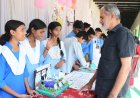
The event was graced by distinguished guests, including Mr. Arjan de Wagt, Deputy Representative at UNICEF India, who delivered the keynote address and presented certificates to the NYCC champions. The certificates were distributed to 16 Champions in-person, coming from Nagaland, Tripura, Gujarat, Lakshadweep, Karnataka, etc to recognise their leadership, meaningful contributions to climate action, and the successful completion of their fellowship. An exhibition “Rooting for the Grassroots” of the work done by Climate Champions showcased their prototypes, innovations, research publications and mobilization efforts from the past 6 months.
“The NYCC Fellowship strengthened my identity as a climate advocate rooted in community wisdom. It helped me transform traditional knowledge into meaningful climate action while empowering youth and elders alike.” - Lisha Umpo, Climate Champion from Arunachal Pradesh.
National Youth Climate Consortium, piloted in 2024, is an initiative led by Bring Back Green
Foundation and supported by YuWaah at UNICEF India, which empowers youth from rural,
marginalized & underrepresented regions to lead climate advocacy through skill-building and
on-ground initiatives, ensuring their voices are heard and integrated into decision-making at all levels. One of the key initiatives under NYCC, is the NYCC Climate Champions Fellowship. The fellowship, in its second year with its second cohort, celebrates the achievements of 34 Climate Champions selected from 32 states and Union Territories.
These young leaders, including significant representation from indigenous communities and women, have successfully operationalized a decentralized, youth-led climate advocacy model, proving that localized action can drive national impact.
Throughout the fellowship, these champions executed 34 locally relevant projects across
four strategic themes: Awareness and Capacity Building, Innovation, Network Mobilization,
and Research. Their rigorous grassroots mobilization catalyzed over 250 events nationwide,
directly impacting more than 38,000 young people and extending the total community reach
to over 72,000 individuals. This on-ground work fostered a robust ecosystem of collaboration, engaging approximately 210 government bodies and over 260 partner organizations to support local climate action, effectively bridging the gap between youth advocates and policy stakeholders.
To support this extensive fieldwork, the consortium established a strong scaffolding of
mentorship and training. This element was reinforced through 21 hybrid capacity-building
sessions, ensuring the champions were prepared to lead complex advocacy initiatives. Their
narratives were further amplified through strategic communications, including the "Rooting
for the Grassroots" series and six film-style documentaries, which generated over 668,000
impressions and secured coverage in more than 45 media outlets.
Parallel to their local successes, the consortium facilitated high-level global engagement,
ensuring grassroots voices resonated on the world stage. Thirty champions represented
youth perspectives at over 55 major platforms, including UNEA-7, the APAN Forum in Bangkok, LCOY consultations, and as virtual delegates for COP30. As the fellowship concludes, it leaves behind a sustainable legacy in the form of the Youth Climate Impact Community (YCIC). With over 3,000 registered youth across 25 state chapters and the distribution of a new Resource Kit Workbook, the NYCC has built an independent leadership structure that will continue to empower youth to drive climate resilience long into the future.