Dr Shroff’s Charity Eye Hospital (SCEH) inaugurates Urmila Khemka Cataract Center with support from Seth Parmanand Khemka Charitable Trust
 PNI News
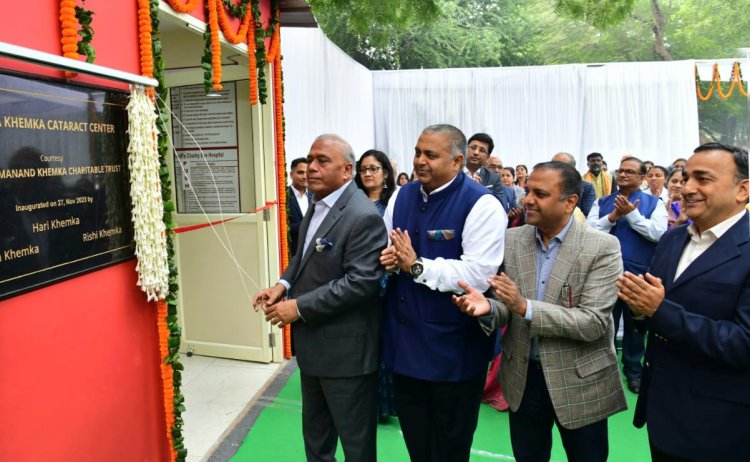
New Delhi: Dr Shroff’s Charity Eye Hospital inaugurated the ‘Urmila Khemka Cataract Centre (UKCC)’, courtesy Seth Paramanand Charitable Trust, expanding the hospital’s capacity to provide timely and comprehensive care to the patients suffering from cataract and lower the burden of preventable blindness. Set to perform approximately 10,000 surgeries annually, UKCC will aid SCEH in its mission to make a lasting impact on the eradication of blindness in India by providing quality care to all sections of society. It will also contribute to facilitate the quality of life as with operated cataract people are more likely to undertake and spend more time on productive activities and are less likely to report receiving assistance with activities.
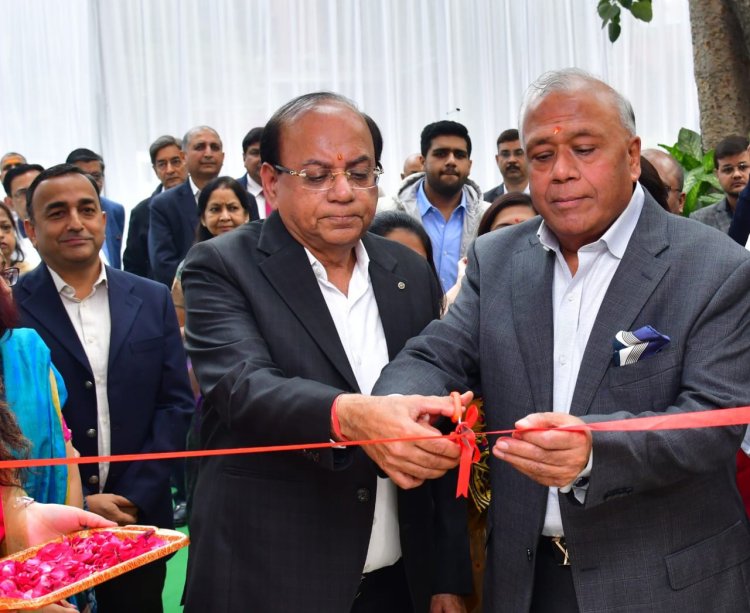
Apart from sponsoring the UKCC, Mr. Hari Khemka, Chairman and MD of Aditya Group, has also donated a Phaco machine and provided entire infrastructure support for the centre.
Dr. Umang Mathur, CEO of Dr. Shroff’s Charty Eye Hospital, Daryaganj, said, “An important feature of expanding capacity to treat cataract surgery is that coverage and care can reach everyone including the most disadvantaged populations. It is in this spirit that we have launched the UKCC, increasing the footprint of quality eye care services for all socioeconomic sections of society. The leading causes of avoidable blindness in India are cataract and uncorrected refractive error, and SCEH is on a mission to eliminate the same by building sustainable models of healthcare delivery, enabled by effective partnerships, reducing health inequalities. We believe that access to quality healthcare is a fundamental right, transcending boundaries and social hierarchies.”
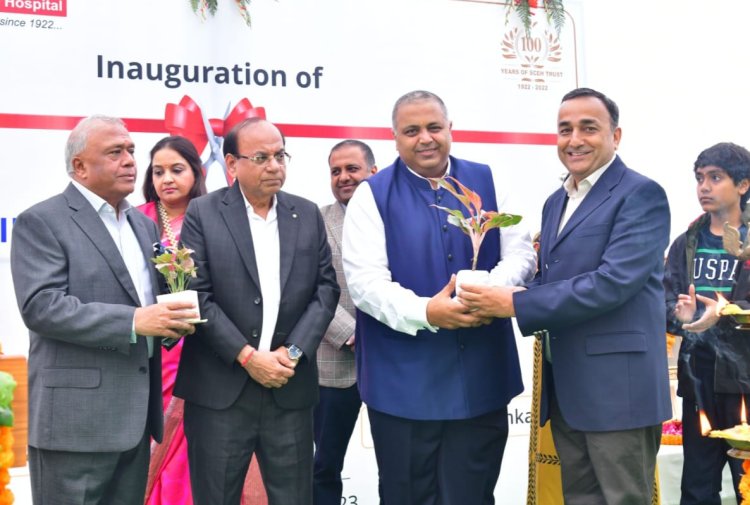
Speaking on behalf of the association, Mr. Hari Khemka said, "We are honoured to partner with SCEH, a premier eye care institution, in expanding cataract surgery services to patients across Delhi. This expansion will benefit the most underserved who often have no means to bear the cost of treatment of cataract surgery and live a life of isolation and despair. Diagnosing patients in a timely manner and taking prompt action to combat cataract, will ensure that the burden of this avoidable disease, and its associated economic fallout, is significantly reduced.”
About Dr. Shroff’s Charity Eye Hospital
Established in 1922, Dr. Shroff’s Charity Eye Hospital (SCEH) is one of the oldest and largest eye care institutions in the country. Our commitment to extending quality eye care to underserved communities remains at the heart of our mission. We have proudly conducted 3 million door-to-door vision screenings across 3000 villages, identifying individuals in need of care and bringing our services directly to their doorsteps. Additionally, we have provided essential primary eye care to nearly 250,000 patients through our primary care clinics in rural tehsils and the slums of Delhi, catering to those who lack access to adequate healthcare resources.
Dr. Shroff’s Charity Eye Hospital (SCEH) currently has 79 Vision Centers that provide primary care in the districts and villages of Uttar Pradesh, Rajasthan, Uttarakhand and semi-urban areas around Delhi. These are linked to Secondary Eye Care Centers (7), which are in turn linked to SCEH Tertiary Hospital in Delhi. As we complete 100 years of service, we also acknowledge the urgency of the present and the potential of the future. Amidst our centennial celebrations, we embarked on an exciting journey towards SCEH 2.0 - our strategic plan designed to guide us into the next decade. With a horizon set for the year 2030, SCEH 2.0 is not just a roadmap; it's a commitment to an even greater impact in society. Our strategic initiatives are carefully crafted to address the evolving needs of eye care and medical education, ensuring that our services continue to reach those who need them the most.
It is known globally not just for its comprehensive eye and ENT care but also for its impacting work among communities, research work and publications, as well as the education and training programs it runs to develop human resources for the prevention of blindness and providing training to eye care professionals from across the world.